

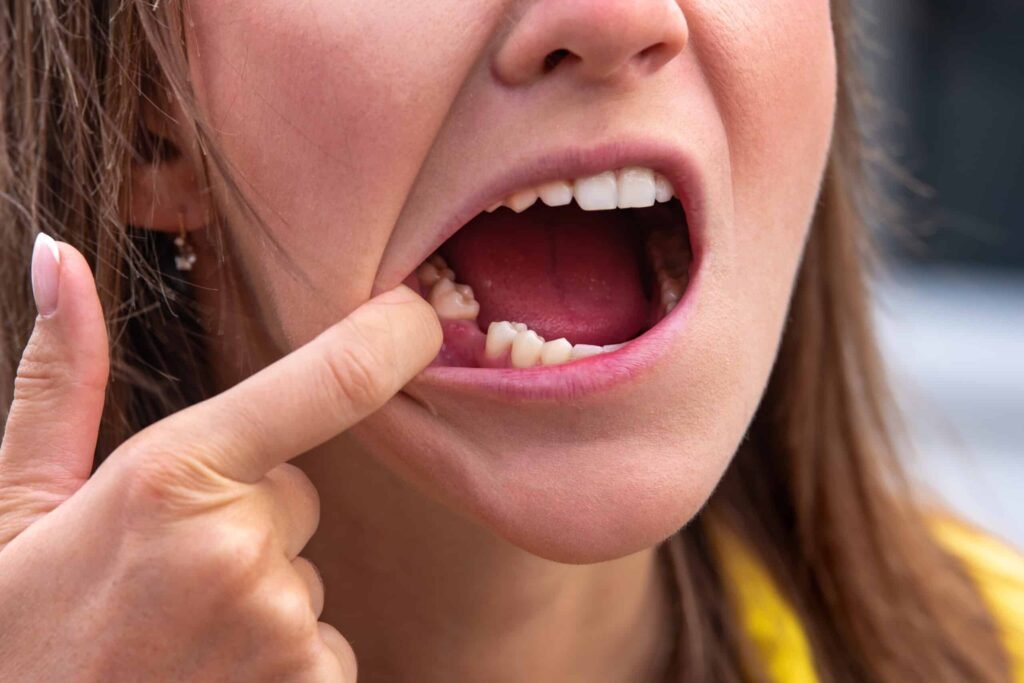
Leaving a missing tooth unreplaced causes the jawbone underneath the gap to shrink, the neighbouring teeth to drift into the empty space, and your bite to slowly fall out of alignment – a chain reaction that quietly makes chewing harder, cleaning trickier, and future treatment more complex and costly. A gap you can’t see when you smile is rarely a gap doing nothing. For many patients in Kuala Lumpur, the tooth that came out years ago is the reason a straightforward fix has since turned complicated. The good news is that these changes are predictable, and they are preventable when you act early. Options like dental implants in Damansara Heights are designed to stop that decline by replacing both the crown you see and the root you don’t, keeping the surrounding bone and teeth stable.
Losing a tooth to decay, gum disease, an accident or an extraction is common. Deciding what to do next is where people hesitate, especially when there’s no pain and the space sits quietly at the back of the mouth. This article walks through exactly what unfolds in the months and years after a tooth goes missing, why the location of the gap matters, and what your realistic replacement options look like.
Why an Empty Socket Is Never Really Empty
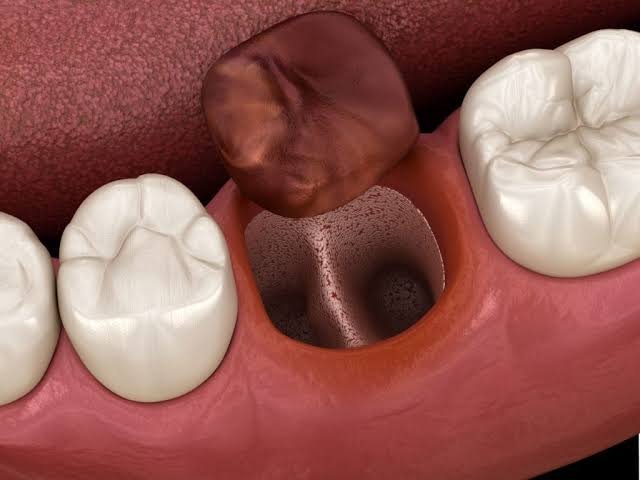
A tooth is more than the white part you see above the gumline. Below it sits a root anchored in your jawbone, and that root has a job beyond holding the tooth in place. Every time you bite and chew, the root sends pressure into the surrounding bone, and that stimulation is what tells your body to keep the bone dense and strong.
Once the tooth is gone, that signal stops. According to research cited by dental surgeons, the jawbone can lose a meaningful share of its volume within the first six months of an unreplaced extraction, with some sources noting up to roughly a quarter of the bone width disappearing in the first year alone. The bone doesn’t wait for you to decide. It begins remodelling almost immediately, and the space that once held a root slowly caves inward.
This matters because bone is the foundation for any future replacement. The longer a gap stays open, the more likely it is that a later implant will need an added procedure such as a bone graft to rebuild enough support. What could have been a simple placement becomes a staged, longer and pricier treatment.
How One Gap Sets Off a Chain Reaction
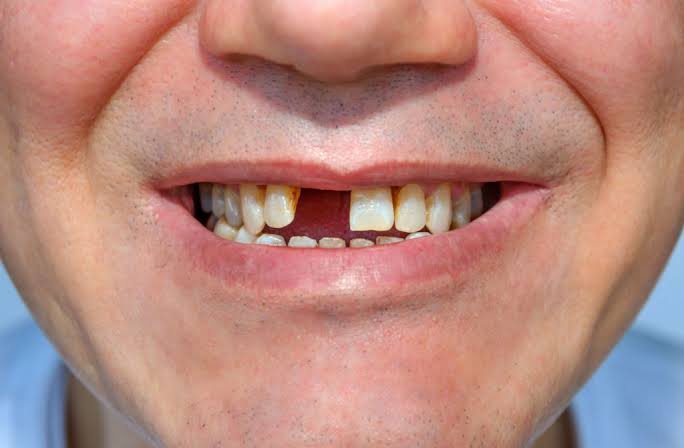
Your teeth work as a connected system, each one leaning gently on its neighbours to stay upright and evenly spaced. Remove one, and that quiet support disappears.
Neighbouring Teeth Begin to Drift
The teeth on either side of the gap start tilting into the open space, often so gradually that you won’t notice until the crowding or misalignment is obvious. This drift isn’t just cosmetic. As teeth lean and rotate, they create tight, awkward pockets where a toothbrush and floss struggle to reach, and food and plaque settle in. Over time that raises the risk of cavities and gum disease in teeth that were perfectly healthy before.
The Opposing Tooth Over-Erupts
There’s a second, less obvious movement. The tooth directly above or below the gap no longer has anything to bite against, so it slowly grows further out of its socket, a process dentists call over-eruption. That tooth can become loose or sensitive, and it disrupts the neat interlocking pattern your bite relies on.
Your Bite Falls Out of Balance
As teeth shift and over-erupt, your upper and lower teeth stop meeting evenly. The remaining teeth are forced to absorb chewing loads they were never designed to carry, which can wear them down faster and, in some people, trigger jaw discomfort or muscle fatigue. A single missing molar quietly reshapes how your whole mouth functions.
The Effects You Can See and Feel
Beyond the mechanics inside your mouth, unreplaced tooth loss shows up in daily life in ways patients often don’t connect back to the gap.
Chewing capacity drops, and many people unconsciously start favouring one side of the mouth, which loads that side unevenly. Speech can change too, particularly with missing front teeth, since your teeth help shape sounds like “F,” “V,” “S” and “TH.” Some patients develop a slight lisp or find certain words harder to pronounce clearly.
Then there’s the face itself. When bone volume shrinks over months and years, the jaw loses some of the structural support it lends to your cheeks and lips. In advanced cases, particularly where several teeth are missing, this can give the face a slightly sunken or prematurely aged look. It’s a slow change, but a real one.
Does the Location of the Missing Tooth Matter?
Yes, and it’s worth being honest about the differences. A missing front tooth tends to be noticed immediately because it affects your smile and speech, so people rarely leave that gap open for long. A missing back molar is the quieter culprit. Because no one sees it, it’s the one most often ignored for years, all while bone loss and drifting continue unchecked.
Location also shapes the fix. A single gap between two healthy teeth may suit an implant or a natural-looking crown and bridge treatment, depending on the condition of the neighbouring teeth. Where drifting has already crowded or tilted the surrounding teeth, some patients need a round of braces or orthodontic alignment before a replacement can sit correctly. This is exactly why an early assessment tends to preserve the simpler, cheaper options.
Replacing Missing Teeth: What Are Your Options?
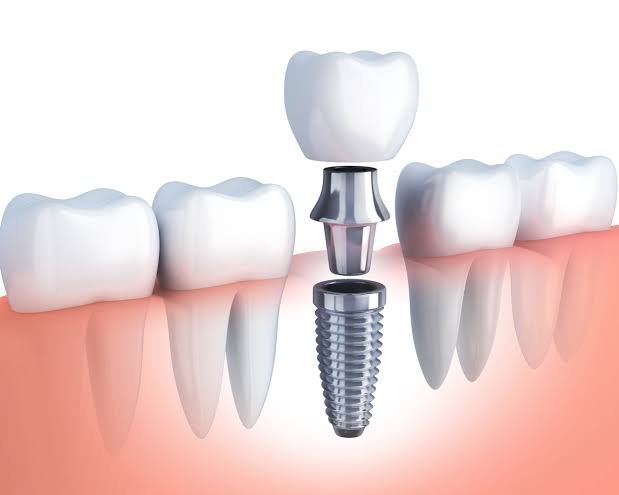
There is no single right answer, and the best choice depends on how many teeth are missing, the health of your jawbone, and your budget.
Dental implants are frequently recommended because they are the only option that replaces the root as well as the crown. That root replacement is what keeps stimulating the jawbone and helps prevent the bone loss described earlier. For someone dealing with several gaps, implant-based solutions can support a bridge or denture far more securely than the gum alone. Bridges and dentures remain solid, established choices, especially when cost or bone condition rules an implant out, and a good dentist will talk you through the trade-offs of each rather than pushing one path.
Whichever route you take, one principle holds across every reputable clinic: acting sooner keeps more doors open. Waiting doesn’t just risk your remaining teeth. It narrows the treatments still available to you.
Protecting the Rest of Your Smile Starts Now
The most important thing to understand about a missing tooth is that the gap is not the end of the problem. It’s the beginning of a slow, connected series of changes to your bone, your bite and your surrounding teeth that compound the longer they’re left alone. None of it happens overnight, which is precisely why it’s so easy to postpone.
If you’ve been living with a gap and weren’t sure it mattered, this is your signal to have it looked at. A short consultation can show you how the space is already changing and which replacement options still make sense for your mouth. Your teeth depend on each other, and giving them back their missing partner is one of the simplest ways to protect the ones you still have.